

The drive for certainty over a nuanced credence—where belief is rationally calibrated to match the strength of the relevant evidence—stems from a complex constellation of emotions deeply rooted in human psychology. Unlike rational belief, which adjusts its intensity to reflect the varying degrees of evidence available, this attraction often manifests in the embrace of religious dogma, a rigid framework that rejects such proportionality. This emotional pull reflects a tapestry of interwoven feelings that provide comfort, structure, and identity in an otherwise unpredictable world. Let’s unravel this emotional landscape exhaustively.
- Fear of Uncertainty: At the core of this drive is a primal fear of the unknown. Uncertainty breeds anxiety—an unsettling sensation of vulnerability and lack of control. The human mind, wired for survival, recoils from ambiguity because it signals potential danger or chaos. Religious dogma offers a bulwark against this fear, providing absolute answers to life’s most daunting questions: Why do we exist? What happens after death? The certainty of a prescribed worldview soothes this existential dread, replacing the unease of “not knowing” with the security of “knowing.”
- Desire for Control: Closely tied to fear is the yearning for mastery over one’s environment and fate. Life’s unpredictability—random illness, loss, or disaster—can leave individuals feeling powerless. Dogma delivers a sense of agency through clear rules, moral codes, and promises of divine order. The emotion here is a blend of desperation and empowerment: by adhering to a rigid belief system, people feel they can influence outcomes, appease a higher power, or secure a predictable afterlife, thus taming the wildness of existence.
- Comfort and Relief: The emotional weight of grappling with complex, evidence-based reasoning can be exhausting. Nuanced credence requires constant evaluation, doubt, and adjustment—mental labor that leaves room for discomfort. In contrast, certainty through dogma offers a soft landing. The emotion is one of relief, a warm exhale of tension, as the burden of inquiry is lifted. Religions often provide narratives of unconditional love, forgiveness, or cosmic justice, enveloping believers in a blanket of emotional reassurance that evidence-based skepticism rarely replicates.
- Belonging and Love: Humans are inherently social creatures, and the drive for certainty is amplified by the emotional pull of community. Religious dogma often comes with a tribe—shared rituals, values, and identities that foster a profound sense of belonging. The emotions here are love, acceptance, and validation. To embrace a nuanced stance risks alienation from the group, triggering loneliness or rejection, whereas dogmatic adherence cements one’s place in the fold, satisfying a deep-seated need for connection.
- Awe and Transcendence: The allure of certainty also taps into a hunger for meaning beyond the mundane. Dogmatic systems often paint a grand, unshakeable picture of reality—divine plans, eternal truths, or cosmic battles between good and evil. This evokes awe, wonder, and a sense of elevation, emotions that dwarf the tentative, fragmented insights of evidence-based reasoning. The certainty of a transcendent narrative feels exhilarating, as it positions the individual within something larger than themselves, quenching a spiritual thirst.
- Guilt and Shame Avoidance: Doubt can stir feelings of inadequacy or moral failure, especially in cultures where questioning sacred beliefs is taboo. The drive for certainty sidesteps these emotions by offering a clear path to righteousness. Dogma provides a checklist for salvation or virtue, and the emotional payoff is the alleviation of guilt or shame. Adhering to an absolute truth feels like a shield against self-reproach, whereas nuanced credence might leave one exposed to the nagging worry of “getting it wrong.”
- Anger and Defensiveness: Paradoxically, the pursuit of certainty can be fueled by frustration with ambiguity’s messiness. When evidence is incomplete or contradictory, it can provoke irritation or even rage at the world’s refusal to conform to simple explanations. Dogma channels this anger into conviction, offering a fortress of belief to defend against the onslaught of doubt. The emotion here is a righteous indignation—a rejection of the humility required by uncertainty in favor of an unassailable stance.
- Hope and Optimism: Certainty, particularly in religious contexts, often promises a future of redemption, paradise, or ultimate justice. This ignites hope, a buoyant emotion that counters despair. Evidence-based nuance, with its provisional conclusions, may feel sterile or pessimistic by comparison, lacking the emotional uplift of a guaranteed happy ending. The dogmatic believer clings to this hope as a lifeline, especially in times of suffering or loss.
- Pride and Superiority: Embracing an absolute truth can inflate the ego, delivering a sense of being “in the know” while others flounder in ignorance or doubt. This emotional cocktail of pride and smugness reinforces the appeal of dogma. It’s not just about personal certainty—it’s about possessing the certainty, a moral and intellectual high ground that nuanced reasoning, with its humility and openness, rarely provides.
- Fatigue and Laziness: Finally, there’s an emotional undercurrent of weariness. Constantly weighing evidence and adjusting beliefs is taxing—it demands vigilance, curiosity, and resilience. The certainty of dogma offers rest, a surrender to simplicity that feels like a reward after the slog of skepticism. This isn’t just intellectual laziness but an emotional craving for closure, a desire to stop wrestling and just be.
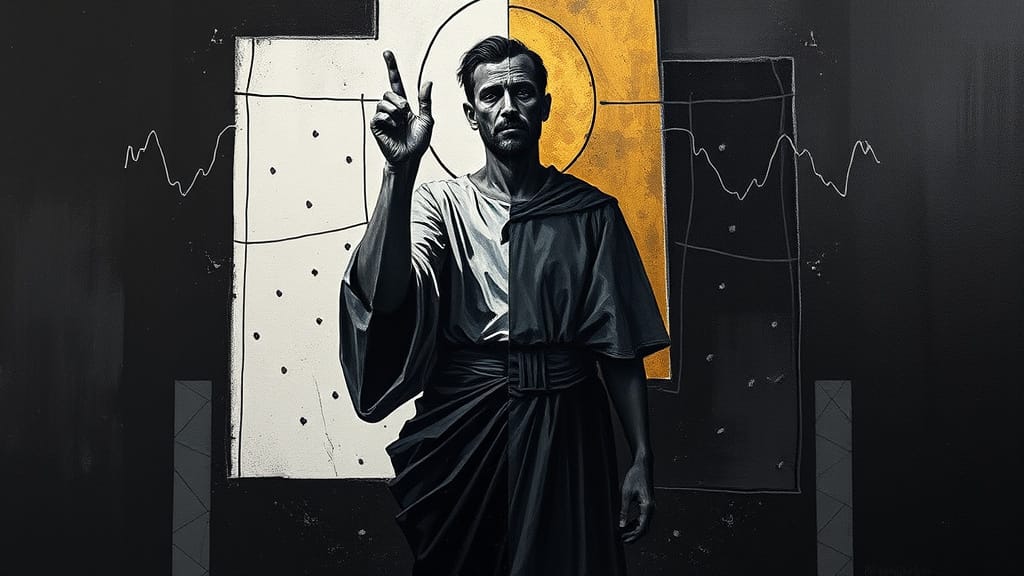
In sum, the human attraction to religious dogma over nuanced credence is a symphony of emotions—fear, relief, love, awe, hope, pride, and more—all harmonizing to drown out the quieter, less visceral tune of uncertainty. These feelings don’t merely accompany the drive for certainty; they propel it, offering an emotional payoff that evidence-based reasoning struggles to match. While nuance aligns with the jagged edges of reality, dogma smooths them into a shape the heart can more easily hold.


 Free of Faith
Leave a comment